UK Gambling Yield Climbs to £17.5 Billion as Remote Sectors Lead Expansion
Written by Mia Lehmann · Oct 4, 2026

UK Gambling Yield Climbs to £17.5 Billion as Remote Sectors Lead Expansion
Data released in September 2026 reveals that Great Britain's licensed gambling industry posted a 4.4% increase in gross gambling yield, reaching £17.5 billion for the financial year ending March 2026, with online and remote operations accounting for the majority of that expansion while land-based venues recorded only modest gains or outright declines in several categories.
Remote Channels Drive the Numbers Higher
Remote casino, betting, and bingo operations combined for a 6.9% rise to £8.3 billion, and within that total the online casino segment alone contributed £5.7 billion; these figures come directly from the Gambling Commission's annual Industry Statistics report covering 2025 to 2026, which analysts have linked to the regulator's data dashboard that tracks year-over-year shifts across all licensed operators.
Slots and casino-style games within remote environments posted teh strongest contributions, reflecting continued migration of player activity toward digital platforms that operate around the clock and offer instant access via mobile devices, whereas betting exchanges experienced measurable contraction during the same period.
Land-Based Performance Remains Subdued
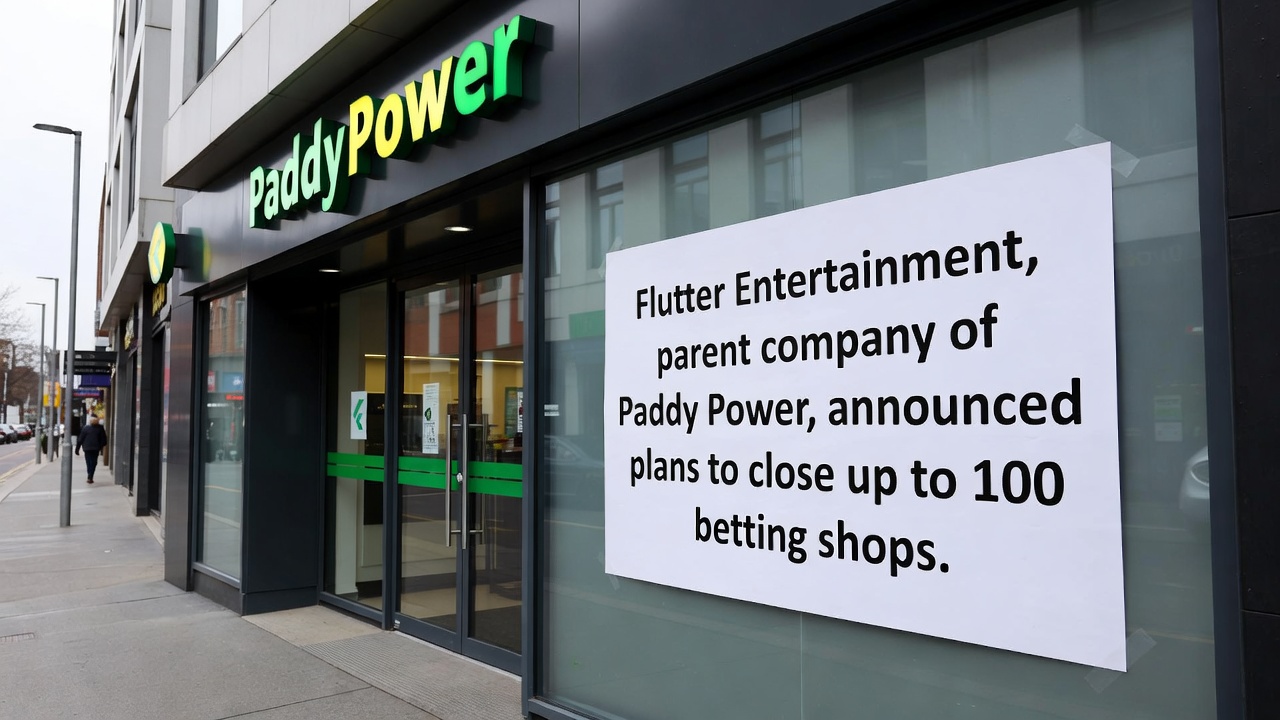
Land-based sectors overall managed a 1.1% increase, yet several retail formats failed to match even that limited growth; high-street betting shops in particular recorded reduced yields, and observers note that ongoing store closures have coincided with these softer results as consumer habits continue to favor online alternatives.
The same report highlights that bingo halls and traditional casinos on the high street posted mixed outcomes, with some locations holding steady while others saw footfall drop further, underscoring the structural transition already visible in earlier reporting periods.
Broader Market Context in Late 2026
By October 2026 the industry had settled into the new financial year with operators reviewing these twelve-month results against regulatory updates that took effect earlier in the calendar year; the statistics show that remote growth has outpaced land-based activity for several consecutive reporting cycles, a pattern that aligns with wider consumer adoption of smartphone-based play.
Betting exchanges and certain retail betting formats posted declines that offset some of the overall industry advance, yet the net 4.4% uplift still brought total gross gambling yield to the £17.5 billion mark; industry participants have pointed to the Power BI dashboard released alongside the main report as a tool for tracking these category-level movements in greater detail.
Category-Level Breakdown
Within remote operations the £8.3 billion figure represents the combined performance of casino games, sports betting, and bingo delivered through licensed websites and apps, with online casino games supplying the single largest share at £5.7 billion; land-based venues, by contrast, contributed the smaller portion of the £17.5 billion total and grew at a slower rate.
Those who have examined the underlying data note that the 6.9% remote increase occurred alongside flat or negative results in certain land-based sub-sectors, creating a widening gap between digital and physical channels that has persisted since the post-pandemic period.
Conclusion
The September 2026 release of the annual Industry Statistics report therefore documents a clear continuation of established trends: remote casino and slots activity propelled the licensed sector to £17.5 billion in gross gambling yield, while land-based betting shops and exchanges faced headwinds that limited their contribution to the overall 4.4% rise. The figures, drawn from operator submissions compiled by the Gambling Commission, provide a factual snapshot of market composition at the close of the 2025-2026 financial year and serve as a baseline for subsequent monitoring.