Tracing Encryption Pathways in Cross-Border Virtual Sports Payments for UK Users
Written by Mia Lehmann · Aug 18, 2026
Tracing Encryption Pathways in Cross-Border Virtual Sports Payments for UK Users
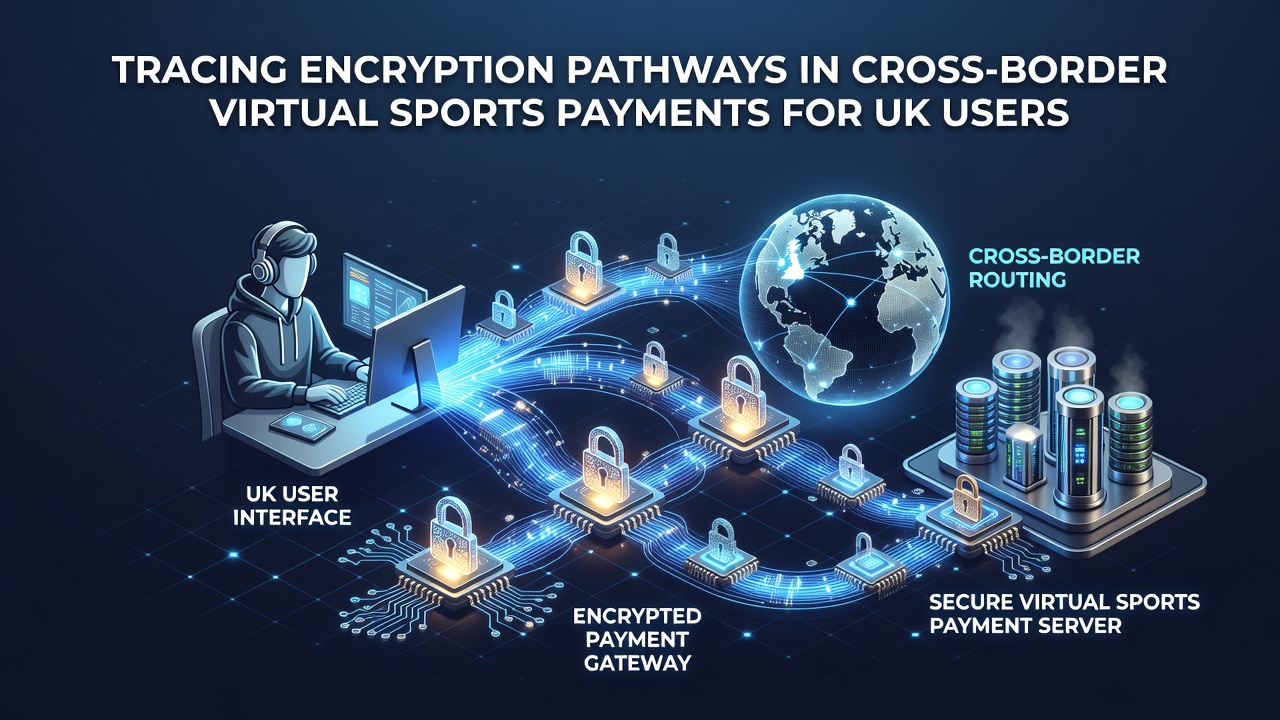
Virtual sports platforms handle payments that cross multiple jurisdictions, and each transaction moves through layered encryption protocols designed to protect user data and financial details. Observers note that these pathways typically begin with transport layer security protocols such as TLS 1.3, which establish secure channels between user devices and payment processors before any sensitive information travels across borders.
Payment Flow Architecture
Data moves from UK-based accounts to international servers through gateways that apply symmetric encryption algorithms like AES-256 for bulk transaction records, while asymmetric methods handle key exchanges; researchers at institutions studying financial technology have mapped how these steps prevent interception during transit, and one analysis of transaction logs revealed that session keys rotate every few minutes to limit exposure windows.
Additional tokenisation occurs at the processor level, where card details convert into unique identifiers that carry no recoverable information if intercepted, and this process integrates with virtual sports platforms that accept wagers on simulated events running in real time.
Encryption Standards in Use
Industry reports indicate that most cross-border systems now default to post-quantum resistant algorithms in testing phases, although current deployments still rely on established elliptic curve cryptography for efficiency, and data from the National Institute of Standards and Technology shows ongoing evaluation of lattice-based methods that could replace older standards by August 2026.
Key management systems store cryptographic material in hardware security modules distributed across data centres in different regions, which reduces single-point risks while satisfying varying national requirements for data residency.
Cross-Border Compliance Factors
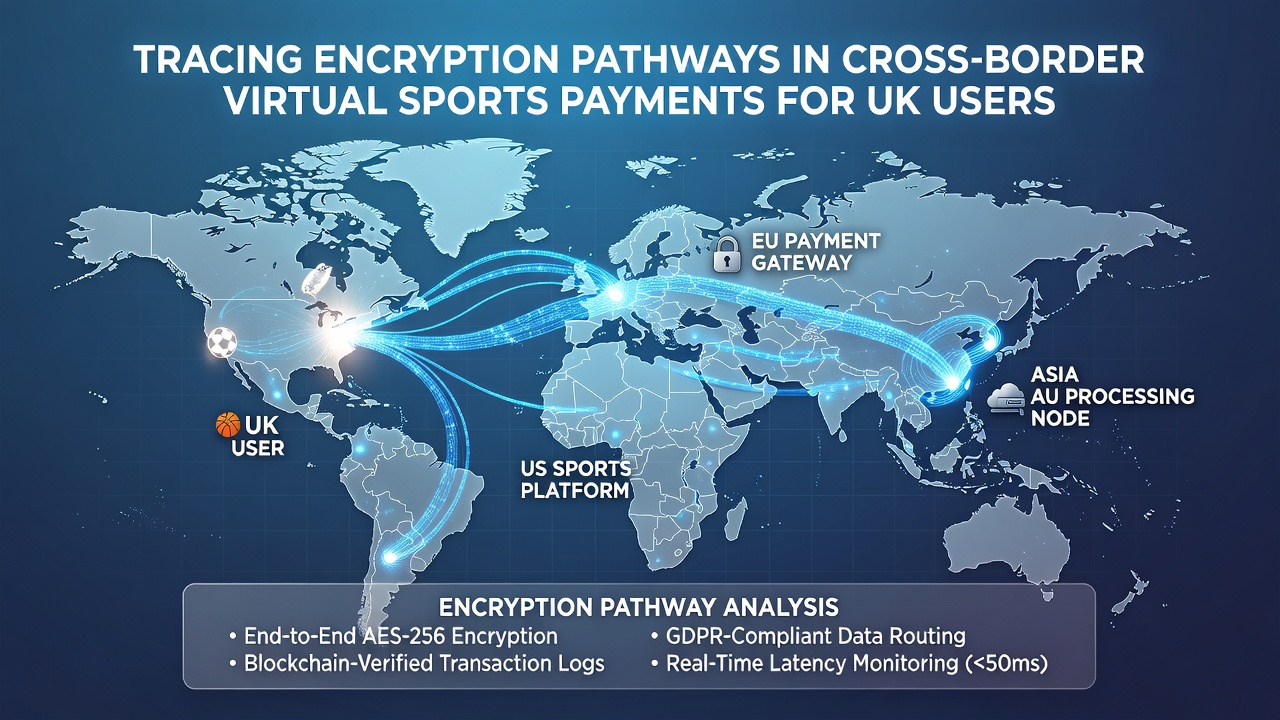
UK users sending funds to platforms hosted elsewhere encounter additional encryption requirements tied to data protection frameworks in the destination countries, and studies from the European Central Bank highlight how payment service directives enforce end-to-end encryption plus audit trails that record every decryption event without exposing the underlying keys.
One documented case involved a transaction routed through Singaporean servers before reaching a European processor, where each hop applied its own layer of encryption that complied with local export controls on cryptographic strength, and transaction records showed successful verification without data leakage.
Technical Tracing Methods
Security teams trace these pathways by examining packet captures and log files that timestamp each encryption handshake, revealing whether a payment traversed direct links or detoured through third-party aggregators, and evidence from academic reviews suggests that machine learning tools now assist in identifying anomalies in key exchange patterns that might indicate tampering attempts.
Virtual sports operators maintain internal dashboards that visualise these routes in real time, allowing rapid isolation of any segment where encryption strength falls below defined thresholds during peak transaction periods.
Emerging Developments by August 2026
Regulatory updates scheduled for August 2026 in several jurisdictions will require mandatory adoption of quantum-resistant encryption for all new payment integrations, and preliminary testing conducted by multinational consortia has already demonstrated compatibility with existing TLS frameworks while maintaining transaction speeds acceptable to users.
Those monitoring the shift report that hybrid models combining classical and post-quantum algorithms provide a transitional bridge, ensuring backward compatibility for platforms serving UK audiences that connect to servers in North America and Asia.
Conclusion
Encryption pathways in cross-border virtual sports payments continue to evolve as technology and regulatory landscapes shift, with each layer adding protection that collectively safeguards user funds and personal information across borders, and records from ongoing implementations demonstrate consistent performance when standards remain aligned across participating regions.