Shifts in Bonus Offer Strategies Amid Evolving Esports Betting Regulations
Written by Gisela Simmons · Aug 21, 2026

Shifts in Bonus Offer Strategies Amid Evolving Esports Betting Regulations
Operators in the esports betting sector have adjusted their bonus structures as regulatory frameworks continue to tighten across multiple jurisdictions, and these changes reflect a broader effort to align promotional activities with responsible gambling standards that took effect in several regions during 2025.
Data from the New Jersey Division of Gaming Enforcement shows that bonus-related complaints in esports markets dropped by 18 percent in the first half of 2026 compared with the previous year, while similar patterns emerged in reports compiled by the Malta Gaming Authority that tracked cross-border platform activity.
Regulatory Developments Shaping Bonus Policies
Authorities in North America and Europe introduced updated guidelines that limit the size and structure of welcome bonuses for esports events, and these rules require clearer disclosure of wagering requirements while restricting the use of free bets on high-volatility titles such as League of Legends and Counter-Strike tournaments. Operators responded by shifting toward deposit-match offers capped at lower percentages, yet they maintained competitive edges through loyalty programs that reward consistent play rather than one-time sign-ups.
Research compiled by the University of Nevada's International Gaming Institute indicates that platforms operating in multiple markets reduced average bonus values by 22 percent between January and August 2026, and this adjustment coincided with new transparency mandates that require operators to display total wagering obligations in plain language before any deposit is processed.
Changes in Bonus Formats and Player Engagement
Many platforms replaced traditional no-deposit bonuses with risk-free bet credits that activate only after a verified deposit, and this approach allows operators to maintain promotional appeal while complying with rules that prohibit bonuses from being the primary incentive for new accounts. Industry data reveals that conversion rates for these revised offers remained stable even as absolute values declined, suggesting players responded positively to the added clarity around terms and conditions.
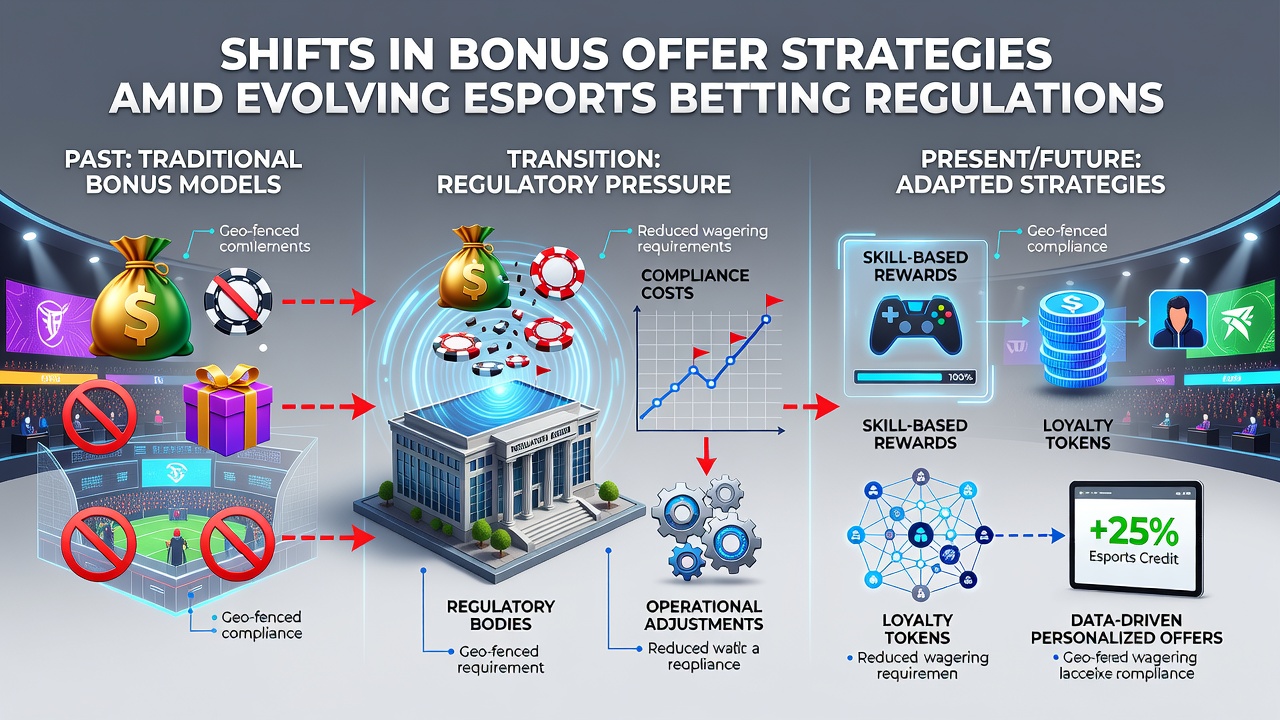
Observers note that Australian regulators through the Australian Communications and Media Authority enforced similar restrictions starting in mid-2026, which prompted several international sites to segment their bonus offerings by region and thereby avoid penalties while preserving revenue streams from jurisdictions with more permissive frameworks.
Regional Variations and Market Adaptations
European markets saw operators introduce tiered bonus systems that scale with player tenure rather than upfront deposits, and these programs tie rewards to verified participation in lower-stakes esports matches to reduce exposure among newer users. Figures released by the European Gaming and Betting Association show a 15 percent increase in retention-linked promotions during the summer of 2026, indicating a strategic pivot away from acquisition-focused incentives.
Platforms serving Canadian users adjusted their structures after Ontario's iGaming regulator updated its bonus guidelines in spring 2026, and many now cap first-deposit matches at 50 percent while extending the validity period of bonus funds to encourage measured engagement over rapid turnover. Those adjustments align with broader data showing that extended bonus lifespans correlate with lower instances of rapid depletion among esports bettors.
Impact on Operator Revenue and Compliance Costs
Compliance expenses rose as platforms invested in automated systems that monitor bonus usage in real time, and these tools flag patterns that might breach regional caps on promotional value. Reports from the iGaming Ontario oversight body confirm that such technology reduced manual review time by nearly 40 percent for mid-sized operators, allowing teams to redirect resources toward content development and event sponsorships instead of constant policy revisions.
Yet the transition created temporary revenue dips for some smaller platforms that previously relied heavily on aggressive sign-up bonuses, and those operators have since diversified into merchandise tie-ins and exclusive tournament streams to offset the shortfall.
Conclusion
Bonus strategies in esports betting continue to evolve in response to layered regulatory requirements that prioritize transparency and player protection across key markets. Data from multiple oversight bodies demonstrates measurable shifts toward loyalty-based rewards and capped deposit matches, while operators adapt through technology and regional segmentation to sustain engagement without violating emerging standards. These patterns suggest the sector will maintain flexibility even as further updates appear on the horizon.