Mapping Biometric Security Adoption Patterns Across Live Esports Wagering Sessions on International Mobile Platforms
Written by Yves Richter · Oct 18, 2026
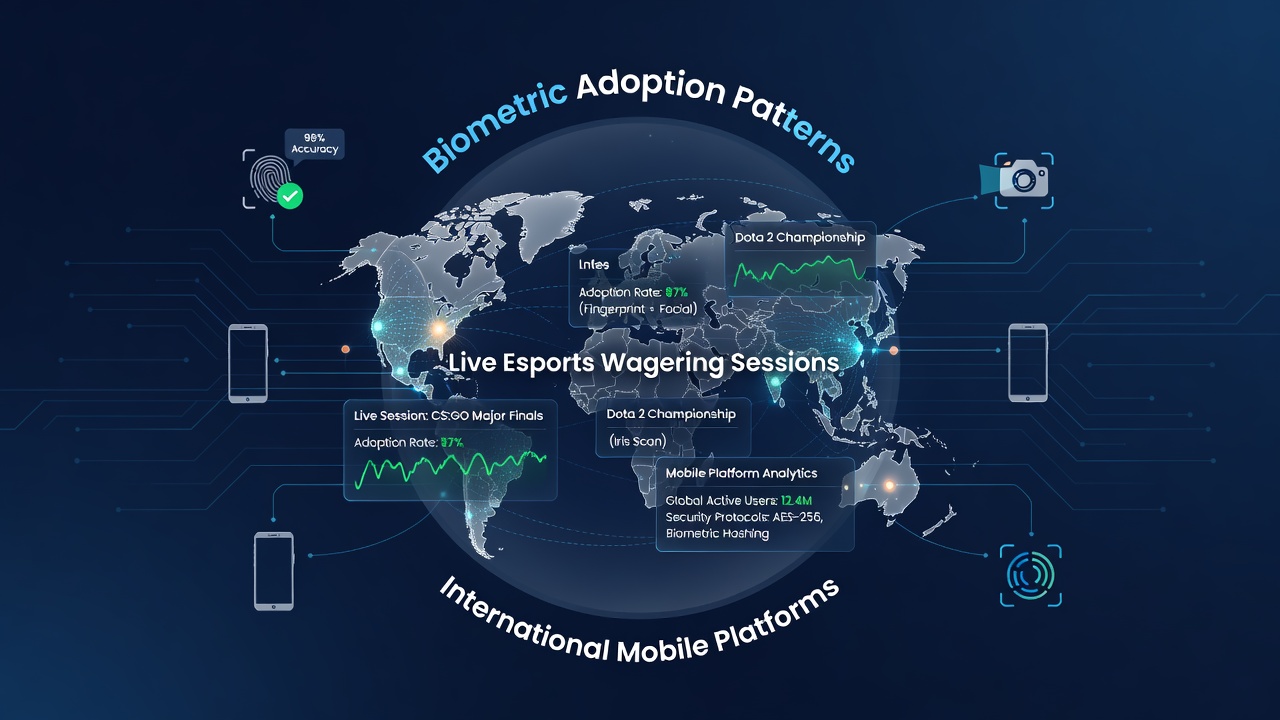
Mapping Biometric Security Adoption Patterns Across Live Esports Wagering Sessions on International Mobile Platforms
Biometric security features have integrated into mobile esports wagering platforms at varying rates across different regions since the mid-2020s, with adoption patterns reflecting both regulatory environments and user base sizes in live betting sessions. Data from industry tracking shows fingerprint and facial recognition tools appearing most frequently in apps that handle real-time match wagers on titles such as League of Legends and Counter-Strike. These systems verify user identity during deposit approvals and payout requests while sessions remain active, reducing interruptions compared to traditional password entries.
Regional Variations in Implementation
North American operators began rolling out facial recognition prompts in October 2025 for high-volume accounts, whereas European platforms leaned toward fingerprint sensors paired with device-level encryption. Observers note that Asian markets, particularly those operating under frameworks from the Singaporean authorities, combined both methods with behavioral analytics that track swipe patterns during live odds adjustments. Australian regulators have encouraged similar layers through updates to digital identity standards, leading to higher reported compliance rates among mobile-first providers by mid-2026.
Studies compiled by research groups indicate that adoption climbed steadily when platforms linked biometric checks directly to session continuity rather than requiring separate logins. One analysis from a Canadian academic consortium found that users in jurisdictions with clear data protection rules completed 23 percent more live wagers per session after biometric options became default settings.
Technical Patterns During Active Sessions
Live esports wagering involves rapid decision cycles where odds shift within seconds of in-game events, so biometric gates must operate with minimal latency. Platforms that integrated touch-ID sensors reported average verification times under 800 milliseconds, allowing bet placement without noticeable delay. Facial recognition systems, by contrast, required stable camera angles and performed better on devices with front-facing depth sensors introduced after 2024.
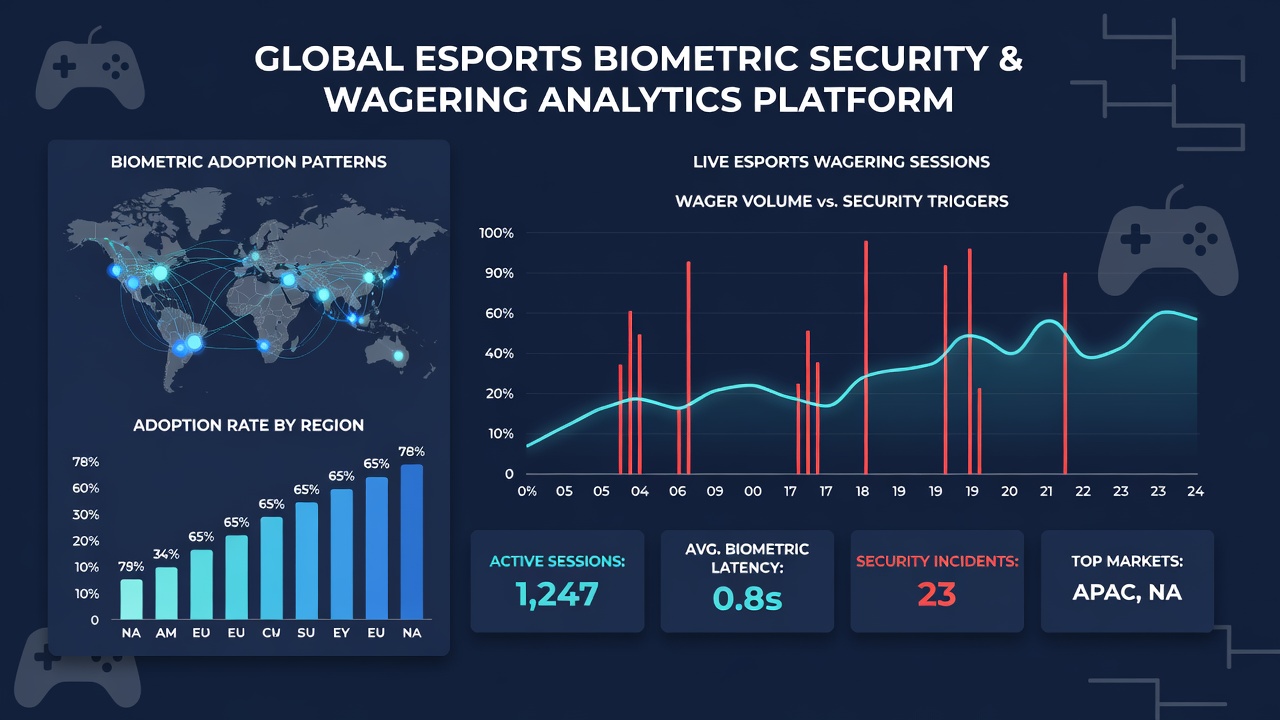
Patterns emerge when comparing session lengths: shorter bursts under ten minutes often skipped secondary biometric prompts after the initial login, while extended sessions triggered re-verification at random intervals to maintain security. Industry reports from the European Gaming and Betting Association highlight that hybrid approaches, combining biometrics with one-time passcodes sent to linked devices, reduced account takeover incidents by measurable margins across tested markets.
Data Trends Through October 2026
Figures released in October 2026 from multiple platform analytics suites reveal that biometric adoption reached 68 percent among top-tier international mobile operators focused on esports. Growth appeared fastest in regions where local laws already mandated two-factor standards that explicitly accepted biometric substitutes. Platforms serving users across borders adjusted settings based on detected IP locations, applying stricter facial checks in areas with higher reported fraud rates while defaulting to fingerprint in lower-risk zones.
Researchers tracking these shifts documented that live wagering volumes increased when biometric friction stayed below one second, whereas longer delays correlated with session abandonment. Mobile operating system updates from major providers further supported adoption by embedding native biometric APIs that required less custom coding from betting developers.
Challenges in Cross-Border Deployment
Technical compatibility issues surfaced when users traveled between regions with differing hardware standards, occasionally forcing fallback to PIN methods. Privacy frameworks in several jurisdictions also required explicit consent flows before biometric data collection began, adding initial setup steps that some operators streamlined through in-app tutorials. Those who studied these workflows observed that clear explanations of data storage practices improved user completion rates for the enrollment process.
Industry organizations continue to monitor how these patterns evolve as new device models enter circulation and as esports titles expand their competitive calendars into additional time zones.
Conclusion
Biometric security adoption in live esports wagering on international mobile platforms follows distinct regional and technical patterns shaped by regulatory requirements, device capabilities, and session demands. Data collected through October 2026 shows consistent integration where verification remains fast and contextually appropriate, with continued adjustments expected as operators refine these systems for broader user bases.