How Transaction Verification Layers Shape Wagering Volumes in Real-Time Equine Events Across Mobile Platforms for Overseas Participants
Written by Yara Berger · Sep 20, 2026
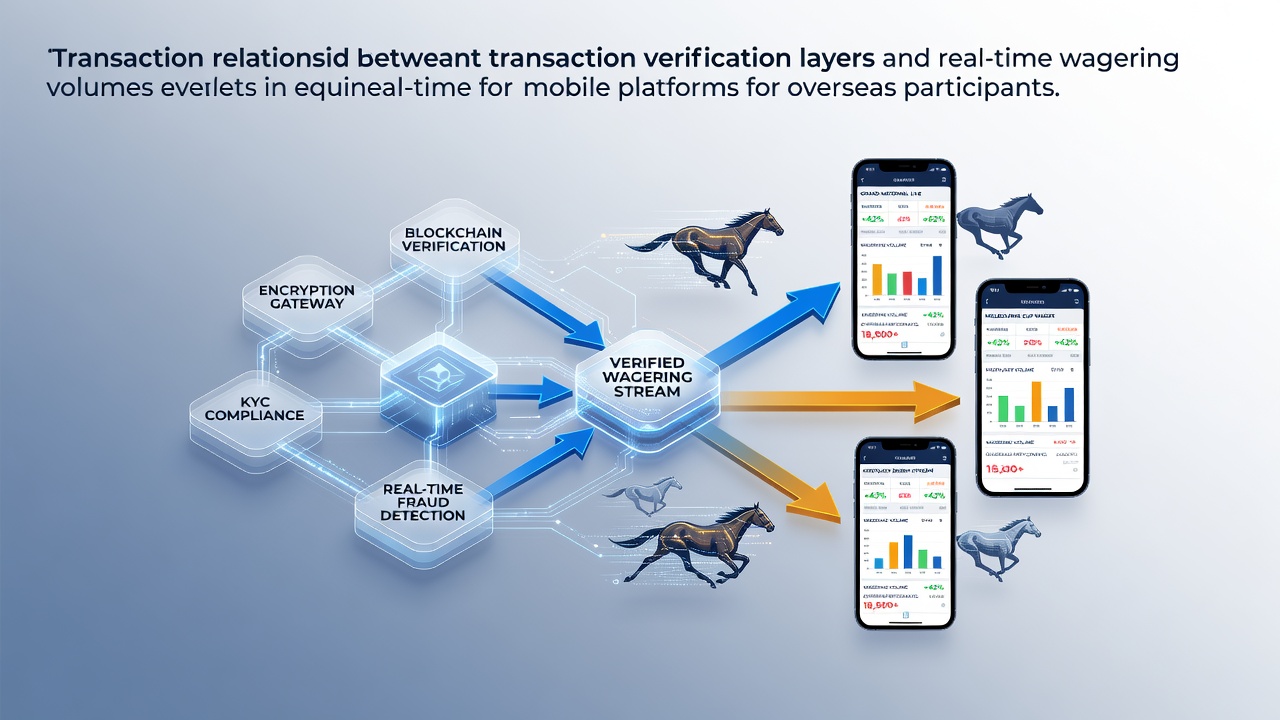
How Transaction Verification Layers Shape Wagering Volumes in Real-Time Equine Events Across Mobile Platforms for Overseas Participants
Transaction verification layers operate as sequential checkpoints that confirm user identity, payment authorization, and compliance status before any wager processes in real-time equine events, and these steps directly influence participation rates among overseas mobile users who access platforms during live races. Systems typically combine automated fraud detection with manual reviews when risk thresholds trigger, which extends processing times and affects the speed at which bets reach the pool.
Core Mechanisms in Mobile Verification
Platforms deploy multi-factor authentication that pulls device data, IP location, and biometric inputs while cross-referencing against watchlists, and this process runs in seconds for low-risk profiles yet stretches into minutes when signals indicate higher scrutiny. Overseas participants often encounter additional currency conversion checks and regional licensing validations that integrate with core payment gateways. Research from the Alderney Gambling Control Commission shows that verification completion rates climb above 85 percent when automated layers handle the initial pass, whereas manual interventions drop completion by nearly 30 percent in cross-border scenarios.
Data indicates that equine event wagering peaks during the final minutes before race starts, so any delay in clearing a transaction shifts volume away from that window toward later events or competing platforms. Mobile applications incorporate progressive verification that builds user profiles over time, allowing repeat overseas bettors to bypass some steps after initial confirmations, and this pattern appears consistently across major racing markets in Asia and Europe.
Volume Patterns Linked to Verification Speed
Studies tracking mobile traffic during major Thoroughbred meetings reveal that platforms with sub-five-second verification sustain higher per-user wager counts, especially among participants located outside the host jurisdiction. Those who face extended checks frequently abandon sessions mid-race card, which fragments overall pool contributions and reduces liquidity for live betting markets. Observers note that tiered verification, where basic deposits clear instantly and larger amounts route through secondary reviews, preserves volume better than uniform strict protocols.
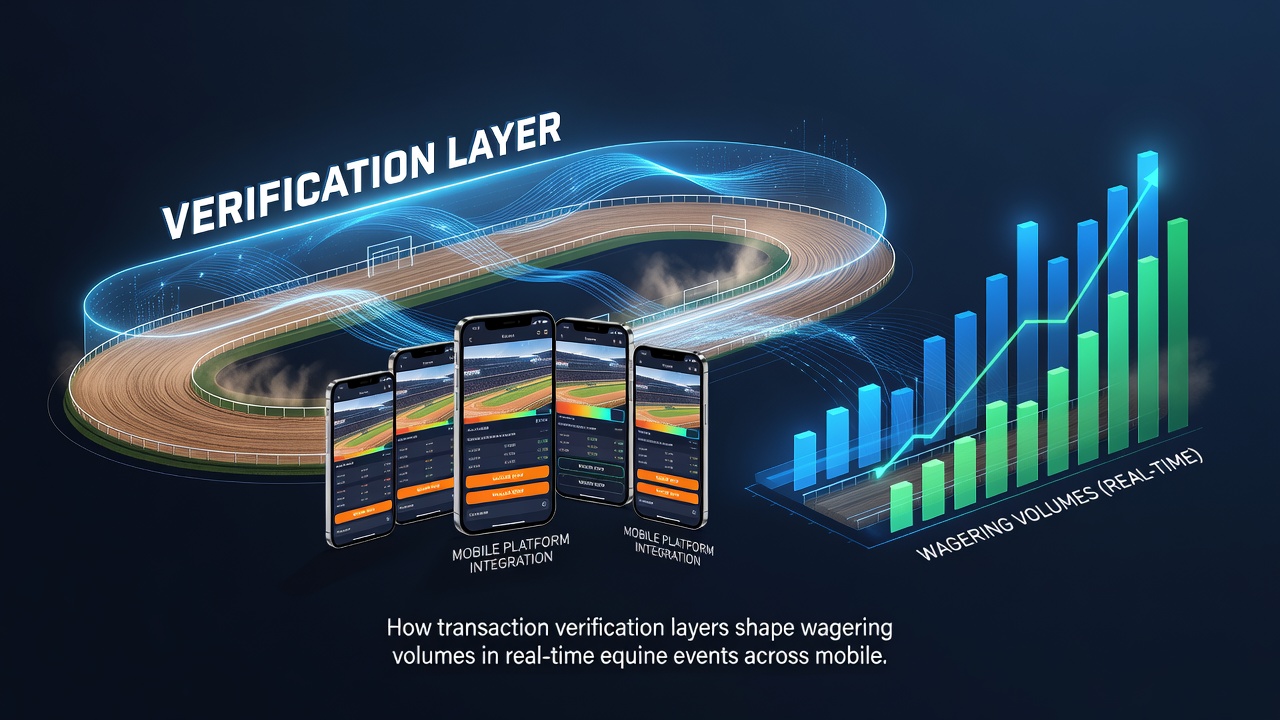
Figures from industry reports compiled by the Asia Racing Federation illustrate seasonal spikes where verification bottlenecks coincide with regulatory updates, and overseas mobile volumes dip by double-digit percentages until systems adapt. In September 2026, several platforms plan to roll out enhanced real-time document scanning that syncs with passport databases, a move expected to shorten manual review queues for frequent international users while maintaining compliance thresholds.
Regional Differences for Overseas Access
Participants connecting from jurisdictions with strict data localization rules encounter extra encryption handshakes that add latency, whereas those in regions with mutual recognition agreements experience smoother flows. Mobile operators adjust verification intensity based on aggregated risk scores that incorporate betting history and geographic origin, and this dynamic approach helps stabilize volumes across fluctuating regulatory landscapes. One analysis of Australian thoroughbred events found that streamlined verification for verified overseas accounts increased mobile stake sizes by measurable margins compared to first-time users still navigating full onboarding.
Payment method selection also interacts with verification layers, since e-wallet integrations often complete faster than card transactions that require additional bank confirmations, and overseas users gravitate toward options that minimize friction during live races. Platforms that surface estimated wait times within the app see fewer abandoned bets, according to internal metrics shared at international racing technology forums.
Technological Adaptations and Data Trends
Real-time equine platforms continue to refine machine learning models that predict verification outcomes and pre-approve low-risk overseas sessions, which reduces peak-load strain during high-profile meetings. Evidence from academic reviews at institutions studying digital gambling infrastructure points to a correlation between verification transparency and sustained wagering activity, where users receive clear status updates rather than opaque delays. These adjustments matter most for mobile users whose participation depends on seamless timing with race clocks.
Volume recovery after verification upgrades typically follows a three-to-six-week stabilization period, during which overseas mobile traffic rebounds as familiarity grows. Regulatory bodies outside the United Kingdom, including those in Canada and parts of the European Union, track these metrics to assess whether verification requirements support or hinder cross-border market health.
Conclusion
Transaction verification layers remain central to how overseas mobile participants engage with real-time equine wagering, and their design choices shape both immediate session volumes and longer-term platform retention. Data from multiple racing jurisdictions demonstrates that faster, tiered processes correlate with steadier participation rates, while rigid or opaque steps create measurable drop-offs during critical betting windows. As systems evolve toward integrated scanning and predictive approvals, particularly around the September 2026 updates, the balance between security and speed will continue to determine wagering flows in this specialized segment.